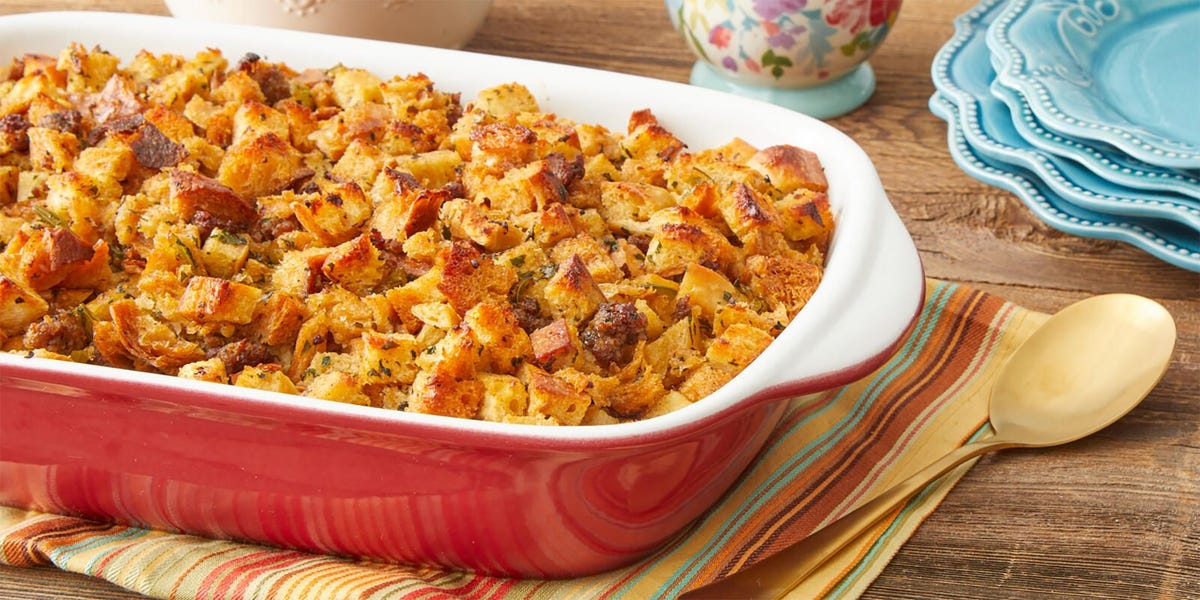
Stuffing & Dressing: Unpacking Regional Flavors and Culinary Uses
Few dishes evoke the warmth and comfort of a holiday table quite like a well-made
stuffing or
dressing. This beloved savory mixture, often the unsung hero alongside roasted poultry or meats, is far more than just a side dish; it's a culinary journey through history, tradition, and regional palates. From its ancient origins to its modern-day starring role at Thanksgiving feasts,
stuffing—or "dressing," as it's known in some parts of the United States—demonstrates incredible versatility and a rich tapestry of flavors shaped by local ingredients and cultural influences.
At its core,
stuffing is a savory blend of ingredients, typically featuring a starchy base like bread, rice, or potatoes, combined with aromatics such as diced onions and celery, rich fats like butter, and an array of fragrant herbs and seasonings. The magic happens when this mixture is cooked, either tucked inside the cavity of a bird or baked separately in a casserole dish. In either scenario, the result is a dish that enhances flavor, adds textural contrast, and acts as a comforting anchor for any meal. The term "stuffing" itself is quite literal, stemming from the historical practice of physically "stuffing" this mixture into poultry or other foods. Conversely, "dressing" often refers to the same mixture when baked on its own, a distinction particularly prevalent in the American South, where it's valued for its crisp edges and softer interior.
The Enduring Legacy of Stuffing: From Ancient Grains to Modern Tables
The concept of filling one food with another to enhance flavor, extend resources, or create a more substantial meal is not new; it's a culinary practice with roots stretching back millennia. Ancient Roman cooks, ever resourceful, famously filled various animals with mixtures of spelt—an ancient grain—spices, herbs, and vegetables. This not only infused the meat with incredible flavor but also served practical purposes, making meals more fulfilling and potentially more portable for travelers or soldiers. For a deeper dive into its fascinating past, explore
Stuffing's Journey: From Ancient Rome to Modern Holiday Table.
As culinary traditions evolved, so too did the complexity and ingredients of
stuffing. By the early modern period in Europe, particularly in 17th-century England, recipes began to incorporate more refined elements. Bread crumbs, eggs, and cream were mixed with aromatic spices like nutmeg and herbs such as marjoram and parsley, creating richer, more sophisticated fillings for roasted fowl. This evolution marked a transition from purely functional fillings to those designed for pure gastronomic delight.
When European settlers brought their culinary traditions to the Americas, the dish continued to adapt. Faced with new ingredients and indigenous traditions, cooks began to incorporate local elements like corn into their mixtures. By the 19th century, this adaptable dish had firmly established itself as a Thanksgiving staple, a tradition that continues to this day. The name "stuffing" itself became common in English around 1530, initially referring to seasoned mixtures packed into fowl, a testament to its long-standing presence in culinary vocabulary.
Deconstructing the Core: What Makes a Great Stuffing?
While regional variations abound, the fundamental components of a classic
stuffing or
dressing remain surprisingly consistent. These elements work in harmony to create a dish that is both satisfying and incredibly flavorful:
- The Starch Base: Cubed stale bread is the most common foundation. Stale bread is preferred because its drier texture readily absorbs liquids (like broth) without becoming mushy, yielding a desirable texture. Beyond white or wheat bread, cornbread is a popular choice, especially in the South, and some recipes even use rice or mashed potatoes.
- Aromatics: Diced onions and celery form the aromatic backbone for most stuffings. Sautéed in butter, they release their sweet and savory essences, building a crucial flavor base. Garlic, leeks, or even mushrooms can also contribute to this aromatic foundation.
- Fats: Butter is almost universally included, providing richness, moisture, and helping to brown the mixture. Some recipes incorporate bacon fat or sausage drippings for added depth of flavor.
- Liquids: Chicken or vegetable broth is essential for moistening the bread and infusing the entire mixture with savory notes. The amount of liquid is critical – too little results in dry stuffing, too much in a soggy one.
- Herbs & Seasonings: This is where much of the classic holiday flavor comes from. Sage, thyme, rosemary, and parsley are perennial favorites, often used fresh for their vibrant aromatics. Salt, black pepper, and sometimes a pinch of poultry seasoning complete the flavor profile.
The interplay of these simple ingredients creates a complex and comforting dish. The goal is a harmonious balance of savory, aromatic, and slightly earthy notes, with a texture that is moist but not dense, with pleasing variations between soft interior and crispy edges.
A Culinary Tapestry: Exploring Regional Stuffing & Dressing Variations
One of the most exciting aspects of
stuffing is its incredible adaptability, leading to a vibrant array of regional specialties across the United States. These variations are a testament to diverse cultural influences, local agricultural practices, and personal preferences, truly "unpacking regional flavors."
- The Southern Cornbread Dressing: In the American South, the preference is almost exclusively for "dressing," typically baked separately rather than inside a bird. The hallmark of Southern dressing is its base of golden, crumbly cornbread. Often a bit sweeter than its bread-based counterparts, it frequently includes sage, onions, celery, and sometimes eggs for binding. The texture is usually softer and more crumbly, contrasting beautifully with a crispy top. Many Southern recipes might include pecans for nuttiness or even oysters for a subtle briny kick.
- New England's Briny Twist: Moving north, New England stuffing often incorporates the region's abundant seafood. Oysters are a traditional addition, providing a distinct briny flavor and tender texture that pairs exceptionally well with poultry. Chestnuts are another popular inclusion, adding a nutty, earthy depth that harks back to European traditions. These variations demonstrate a deep connection to the local environment and its culinary resources.
- Midwestern Wild Rice Stuffing: The Midwest, particularly states with a strong Native American heritage and access to wild rice, features this nutritious grain as a primary ingredient. Wild rice brings a unique nutty flavor and chewy texture that stands apart from bread-based versions. It's often combined with mushrooms, pecans, and sometimes dried cranberries, creating a hearty and earthy side dish that reflects the region's natural bounty.
- Pennsylvania Dutch Potato Filling: In Pennsylvania Dutch communities, a truly distinctive "potato filling" takes center stage. Instead of bread, mashed potatoes form the base, resulting in a dense, incredibly hearty, and comforting dish. This rich filling is often seasoned with sage, butter, onions, and sometimes eggs, offering a uniquely satisfying texture that is profoundly different from other regional variations.
Beyond these prominent examples,
stuffing's versatility allows for countless other additions. Sausage, particularly pork sausage, is a popular choice for adding richness and savory depth. Fruits like apples, cranberries, or dried apricots can introduce a touch of sweetness and acidity, balancing the savory notes. Nuts such as walnuts or pecans contribute crunch and earthy flavors.
Beyond the Bird: Versatile Uses and Healthy Twists
While traditionally associated with filling the cavity of poultry, the culinary uses of
stuffing (or dressing) extend far beyond the bird. Baking it separately in a casserole dish offers several advantages: it ensures a crispy top and consistently moist interior, frees up oven space, and makes for easier serving. But its adaptability doesn't stop there. It can serve as a flavorful filling for bell peppers, mushrooms, or other vegetables, transforming them into a hearty main course. It also shines as a component in various casseroles, adding texture and flavor complexity. For practical tips on preparation and versatility, see
Homemade Stuffing: Easy Steps for Flavor, Health & Versatility.
Beyond its primary role as a side dish,
stuffing offers fantastic opportunities for creative repurposing of leftovers. Imagine a post-holiday sandwich piled high with turkey, cranberry sauce, and a generous layer of moist
stuffing. Leftover
stuffing can also be pressed into a waffle iron for crispy, savory waffles, or crumbled into a breakfast hash with eggs and sausage for a comforting morning meal.
For those mindful of health, homemade
stuffing offers significant advantages over boxed mixes. By preparing it from scratch, you gain control over the ingredients, allowing for healthier choices. Using fresh vegetables not only boosts nutrient content but also enhances flavor. Swapping chicken broth for vegetable stock makes it vegetarian-friendly. You can control the amount of salt and butter, leaning into whole-grain or gluten-free bread options if dietary needs require. This flexibility makes homemade
stuffing a delicious and customizable choice for everyone at the table.
Conclusion
From its humble beginnings in ancient kitchens to its revered status as a holiday icon,
stuffing and
dressing embody a rich culinary heritage. Whether you prefer the classic bread-based rendition, the sweet and savory notes of Southern cornbread dressing, the briny touch of New England oysters, or the hearty earthiness of Midwestern wild rice, this versatile dish connects us to history, culture, and the comforting traditions of gathering around a shared meal. It is a testament to how simple ingredients, combined with culinary creativity and regional influences, can create something truly extraordinary and deeply comforting for generations.