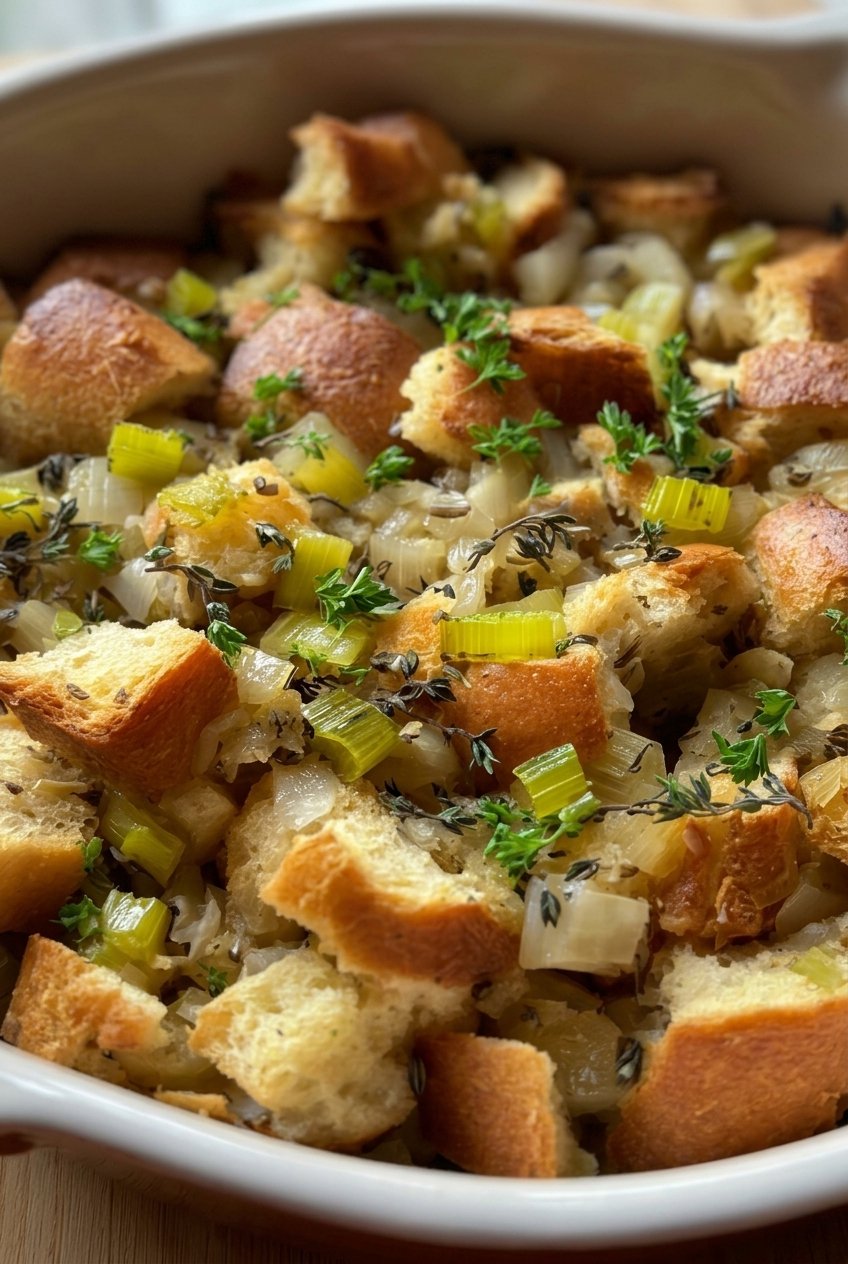
The Heartwarming Appeal of Homemade Stuffing: Flavor, Health & Versatility Unleashed
Few dishes evoke the warmth and comfort of home quite like a well-made batch of homemade stuffing. More than just a side, this savory blend of bread, vegetables, herbs, and seasonings is a culinary cornerstone, deeply woven into holiday traditions and family gatherings across cultures. Often known as dressing or filling in various regions, the very name "stuffing" harks back to its ancient origins – literally stuffing a cavity to infuse meat with flavor and retain moisture during cooking.
While its lineage traces back to Roman times, where resourceful cooks used spelt and spices to enhance meals, stuffing evolved through European kitchens before becoming the iconic American Thanksgiving staple we know today. This journey of adaptation, incorporating local ingredients and tastes, highlights its inherent flexibility. If you're curious about its fascinating past, you can delve deeper into
Stuffing's Journey: From Ancient Rome to Modern Holiday Table.
The allure of homemade stuffing lies in three key pillars: unparalleled flavor, customizable health benefits, and remarkable versatility. Unlike its boxed counterparts, crafting your own allows for a symphony of fresh ingredients that deliver a depth of taste no pre-packaged mix can match. It grants you complete control over what goes in, making it a healthier choice for your family. And far from being a one-trick pony, homemade stuffing transcends its traditional role, offering endless possibilities for meals and leftovers alike.
Crafting Culinary Magic: The Foundation of Flavor
The secret to truly exceptional homemade stuffing lies in understanding the purpose of each ingredient and how they interact to build a rich flavor profile.
The Essential Ingredients for Your Signature Stuffing
*
The Bread Base: The Stale Secret
The foundation of any great stuffing is bread, but not just any bread – *stale* bread. Fresh bread will turn mushy when saturated with broth, leading to a dense, pasty texture. Stale bread, however, acts like a sponge, absorbing flavorful liquids without disintegrating. Day-old (or even two-day-old) white bread, sourdough, or whole wheat loaves are excellent choices. To quickly stale bread, cube it and spread it on a baking sheet, letting it air dry overnight, or toast it lightly in a low oven (around 250°F / 120°C) for 15-20 minutes until crisp.
*
Aromatics: The Flavor Workhorses
Diced onions and celery are non-negotiable. Sautéing them gently in butter or olive oil until softened and translucent releases their essential oils and forms the aromatic backbone of your stuffing. Garlic, carrots, or even leeks can be wonderful additions for extra depth. The slow cooking process allows their sugars to caramelize slightly, adding subtle sweetness.
*
Fats: The Unsung Hero of Richness
Butter is a classic choice for a reason – its rich, nutty flavor is quintessential to traditional stuffing. It also provides the medium for sautéing your aromatics and helps brown the bread cubes, contributing to that desirable crispy texture on top. For a lighter touch, you can opt for olive oil or a combination of both.
*
Broth: The Flavor Infuser
Chicken or vegetable broth is crucial for moistening the bread and infusing the entire dish with savory goodness. The quantity of broth is a matter of preference: less will yield a drier, crispier stuffing, while more will result in a moister, softer consistency. Always warm your broth before adding it; this helps the bread absorb it more efficiently.
*
Aromatic Herbs: The Soul of Stuffing
Sage, thyme, rosemary, and parsley are the traditional quartet that defines classic stuffing flavor. Fresh herbs offer a brighter, more vibrant taste, but high-quality dried herbs are perfectly acceptable, especially for hearty flavors like sage and thyme. Experiment with combinations, but remember that a little goes a long way with potent herbs like rosemary.
*
Seasonings: Salt, Pepper, and Beyond
Don't underestimate the power of salt and freshly cracked black pepper. They bring all the flavors into focus. Consider a pinch of nutmeg or a dash of smoked paprika for an unexpected twist.
Beyond the Basics: Elevating Your Homemade Stuffing
The beauty of homemade stuffing is its adaptability. Once you master the basic technique, the possibilities for customization are endless.
*
Meaty Enhancements: Sautéed sausage (breakfast, Italian, or chorizo), crispy bacon bits, or diced pancetta can add a significant layer of savory, fatty flavor.
*
Nutty & Fruity Twists: Toasted pecans, walnuts, or chestnuts lend a delightful crunch and earthy flavor. Dried cranberries, diced apples, or even chopped apricots introduce a welcome hint of sweetness and tartness, balancing the savory notes.
*
Regional & Exotic Flavors: Explore local traditions! The South's famous cornbread dressing offers a sweeter, crumblier texture, while New England might feature briny oysters. Wild rice is a popular addition in the Midwest, and mashed potatoes form the base for some Pennsylvania Dutch fillings. This rich tapestry of variations underscores stuffing's incredible versatility, as explored further in
Stuffing & Dressing: Unpacking Regional Flavors and Culinary Uses.
*
Umami Boosters: Sautéed mushrooms (cremini, shiitake), a splash of soy sauce or Worcestershire, or even a tablespoon of nutritional yeast can deepen the savory profile.
Health-Conscious Stuffing: Deliciously Wholesome Choices
One of the most compelling reasons to make homemade stuffing is the ability to control its nutritional profile, making it a far healthier alternative to many store-bought mixes.
Taking Control of Your Ingredients for Healthier Choices
*
Sodium Savvy: Boxed stuffings are notorious for their high sodium content. At home, you can use low-sodium broth and season to taste, dramatically reducing your sodium intake without sacrificing flavor.
*
Healthier Fats: While butter is delicious, you can balance it with olive oil, which offers heart-healthy monounsaturated fats. For a lighter dish, you can also reduce the overall amount of fat used.
*
Fresh is Best: Homemade stuffing uses an abundance of fresh vegetables like onions, celery, and herbs, which are packed with vitamins, minerals, and antioxidants. This is a stark contrast to dried, often highly processed ingredients found in mixes.
*
Whole Grains & Gluten-Free Options: Swap out white bread for whole-grain varieties to boost fiber content, aiding digestion and promoting satiety. For those with dietary restrictions, gluten-free bread works beautifully, allowing everyone to enjoy this beloved dish.
*
Vegetarian & Vegan Adaptations: Easily make your stuffing vegetarian by using vegetable broth and ensuring all other ingredients are plant-based. For a vegan version, swap butter for olive oil or a plant-based butter substitute, and ensure your bread is vegan-friendly.
Nutrient Powerhouse: Beyond Just Flavor
Think of your homemade stuffing as a hidden source of nutrition. The fresh herbs contribute antioxidants and anti-inflammatory compounds, while the vegetables provide essential vitamins and dietary fiber. Choosing whole grains further amplifies the fiber content, which is vital for gut health. By making intentional choices, your "comfort food" can also be a genuinely nourishing one.
Unlocking Ultimate Versatility: Beyond the Holiday Table
Stuffing's adaptability extends far beyond its ingredient list; it also shines in various preparation methods and creative applications for leftovers.
Flexible Preparation Methods
*
Baked in a Dish (Dressing): This is arguably the most popular modern method, especially for larger gatherings. Baking stuffing in a casserole dish separately from the bird ensures a wonderfully crispy top, moist interior, and consistent cooking. It's also the safest option, eliminating any concerns about raw meat contamination.
*
Stuffed in a Bird (Traditional): The classic method, where the stuffing is packed into the cavity of poultry (turkey, chicken) or other meats. While this method infuses the stuffing with delicious meat juices, it requires careful attention to food safety. The stuffing *must* reach an internal temperature of 165°F (74°C) to be safe for consumption. Often, by the time the stuffing reaches this temperature, the bird itself can be overcooked. For this reason, many prefer baking stuffing separately.
*
Stuffing Vegetables: Don't limit yourself to poultry! Hollow out bell peppers, zucchini, or large mushrooms and fill them with your savory stuffing mixture for an elegant and flavorful vegetarian main course or side dish.
*
Casserole Layering: Stuffing can be an excellent base or layer in savory casseroles, adding texture and flavor to baked dishes featuring meats and vegetables.
Creative Uses for Leftovers: The Gift that Keeps Giving
Perhaps one of the greatest joys of homemade stuffing is its incredible potential for reinvention. Don't let a single spoonful go to waste!
*
Stuffing Waffles: Press leftover stuffing into a waffle iron until crisp and golden. Serve with gravy, a fried egg, or even cranberry sauce for a truly inspired breakfast or brunch.
*
Breakfast Hash: Dice leftover stuffing and sauté it with potatoes, onions, and perhaps some cooked sausage or bacon. Top with a fried egg.
*
Stuffing Sandwiches: Layer cold (or reheated) stuffing with turkey, cranberry sauce, and maybe a touch of mayonnaise between slices of bread for the ultimate post-holiday sandwich.
*
Savory Muffins or Croquettes: Mix leftover stuffing with a beaten egg and bake in muffin tins for individual portions, or form into patties and pan-fry until crispy.
*
Stuffed Mushrooms or Bell Peppers (Revisited): Use leftover stuffing to quickly fill mushrooms or peppers and bake for a speedy weeknight meal.
*
Freezing Tips: Homemade stuffing freezes beautifully! Allow it to cool completely, then store it in airtight containers or freezer bags for up to 3 months. Thaw overnight in the refrigerator and reheat in the oven until warmed through.
Conclusion: Embrace the Joy of Homemade Stuffing
From its ancient origins as a resourceful culinary technique to its modern status as a beloved holiday icon, homemade stuffing remains a testament to the power of simple ingredients transformed into something extraordinary. By taking a few easy steps, you gain complete control over its flavor profile, nutritional value, and ultimate versatility. Whether you're aiming for a comforting classic side, a healthier family meal, or an exciting new way to enjoy leftovers, homemade stuffing delivers on all fronts. So, roll up your sleeves, gather your ingredients, and embrace the satisfying process of creating this truly special dish that will undoubtedly bring flavor, health, and joy to your table.